Selected work
Logistics Customer Portal and Shipment Tracking.
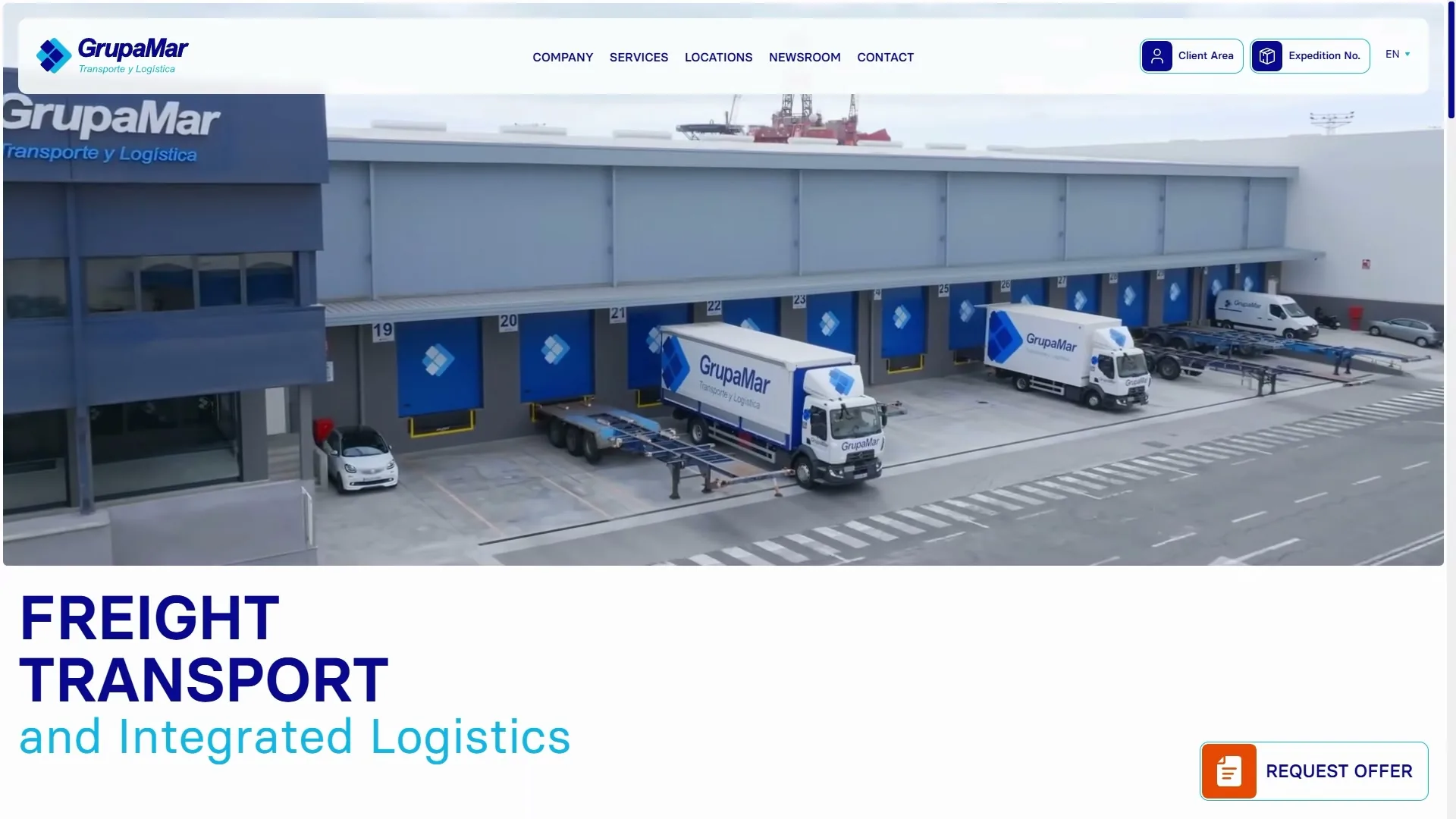
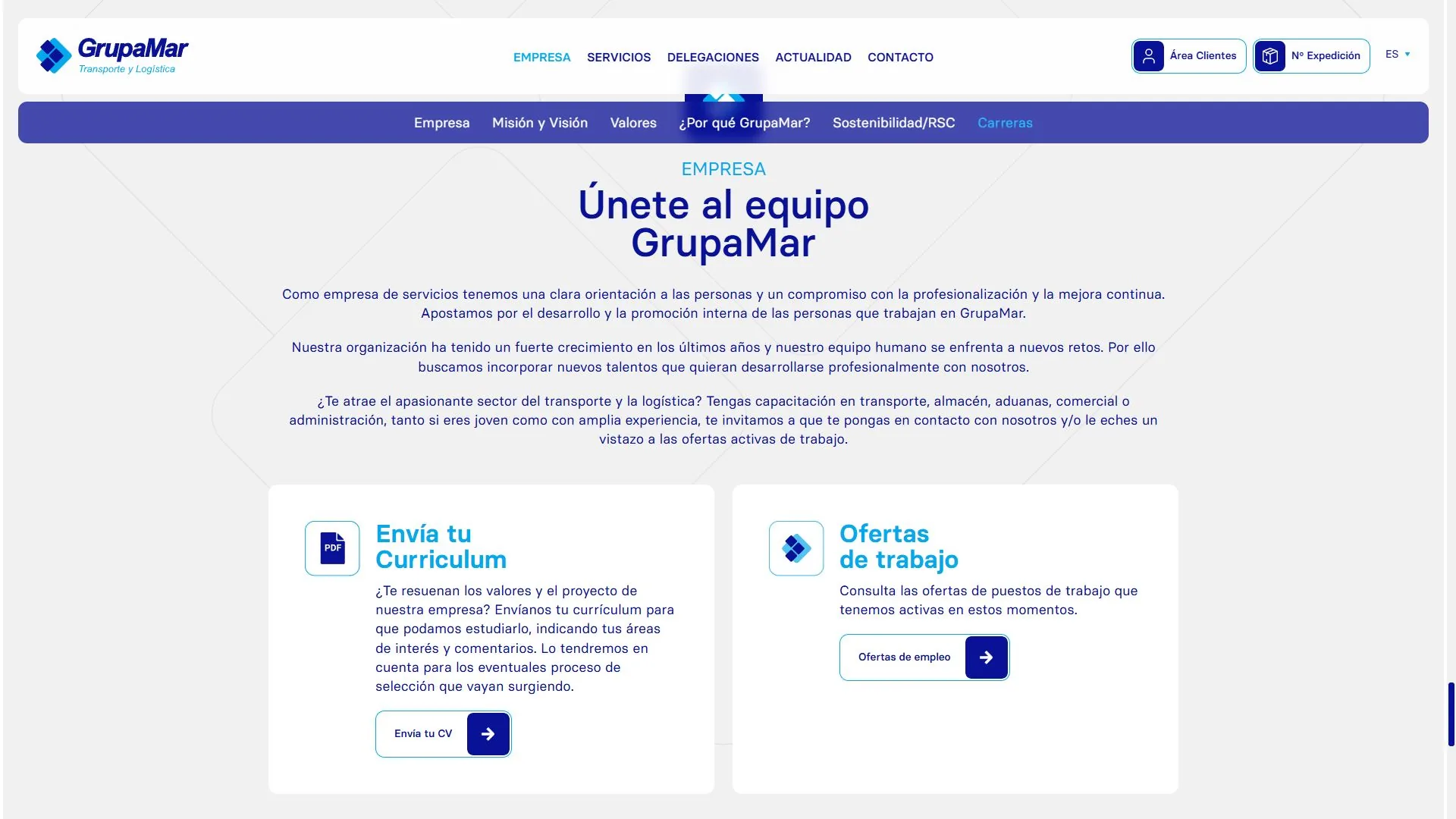
A logistics platform combining structured services, private customer access and shipment tracking.
01 / Logistics operator reference
Services, customer access and shipment visibility.
This selected logistics reference brings together structured public service information, private customer access and shipment tracking. It shows how the service discovery route and the existing-customer route can sit within one platform.
For a similar commission, start with the operational question the customer needs answered, the reference they already use and the system holding the answer. Our B2B customer portal development service defines that assessment. The 2027 logistics portal guide expands the implementation checklist.
02 / Planning a similar portal
Separate the public promise from the private task.
The public service pages help a buyer understand coverage and the next enquiry. The private portal helps an authorised customer find operational information. Treat them as related journeys with different information and access requirements.
Confirm whether the user searches by purchase order, shipment reference or another identifier. Map order, shipment and package relationships before drawing the status view.
Specify event source, timestamp and freshness. Do not make a late carrier update look like a new live position or present an estimated date as a delivery commitment.
Agree which documents and incident actions belong in the first release. Document availability, ownership and fallback should be part of the brief, not assumed from a tracking screen.
03 / Define the operating boundary
Agree what happens when the data is incomplete.
Before adding features, identify the source systems, permitted operations and support owner. Test a missing shipment reference, a partial delivery and an interrupted update feed with the team that handles these situations today.
The portal is an experience layer; availability of tracking data does not automatically establish access to POD, invoicing, booking or every carrier. Those dependencies must be verified for the new project. Read the integration approach for ownership and synchronisation.
04 / Scope your project
Use the reference to prepare a better brief.
Prepare one typical customer task, the references and systems involved, permitted roles, expected update frequency and a difficult exception. We can use that context to define discovery, an initial release and acceptance tests. Discuss a logistics customer portal.
For planning in 2027, the logistics portal guide covers tracking, documents, exceptions and rollout. Measure your own pilot against current service work and account adoption; the next project needs its own baseline.
Practical questions
What does this reference cover?
The published reference describes structured logistics services, private customer access and shipment tracking. Further workflows for a new commission must be scoped against its own operational data.
Can a similar portal combine several carriers?
This can be assessed where interfaces and permitted data are available. Agree shared references, event mapping, freshness and exception handling before confirming scope.
Does accepted by the logistics operator mean delivered?
No. Acceptance is not delivery. Check the operator’s status definitions and subsequent events. This page does not track individual shipments; use the operator’s authorised tracking channel.
How do we start a similar project?
Send the customer task, current references and systems, roles, update requirements and one difficult exception. The next step is a scoped assessment, not a presumed list of features.